Master's & PhD in South Korea for Indian Students: Advice from Dr. Sudeshana Pandey
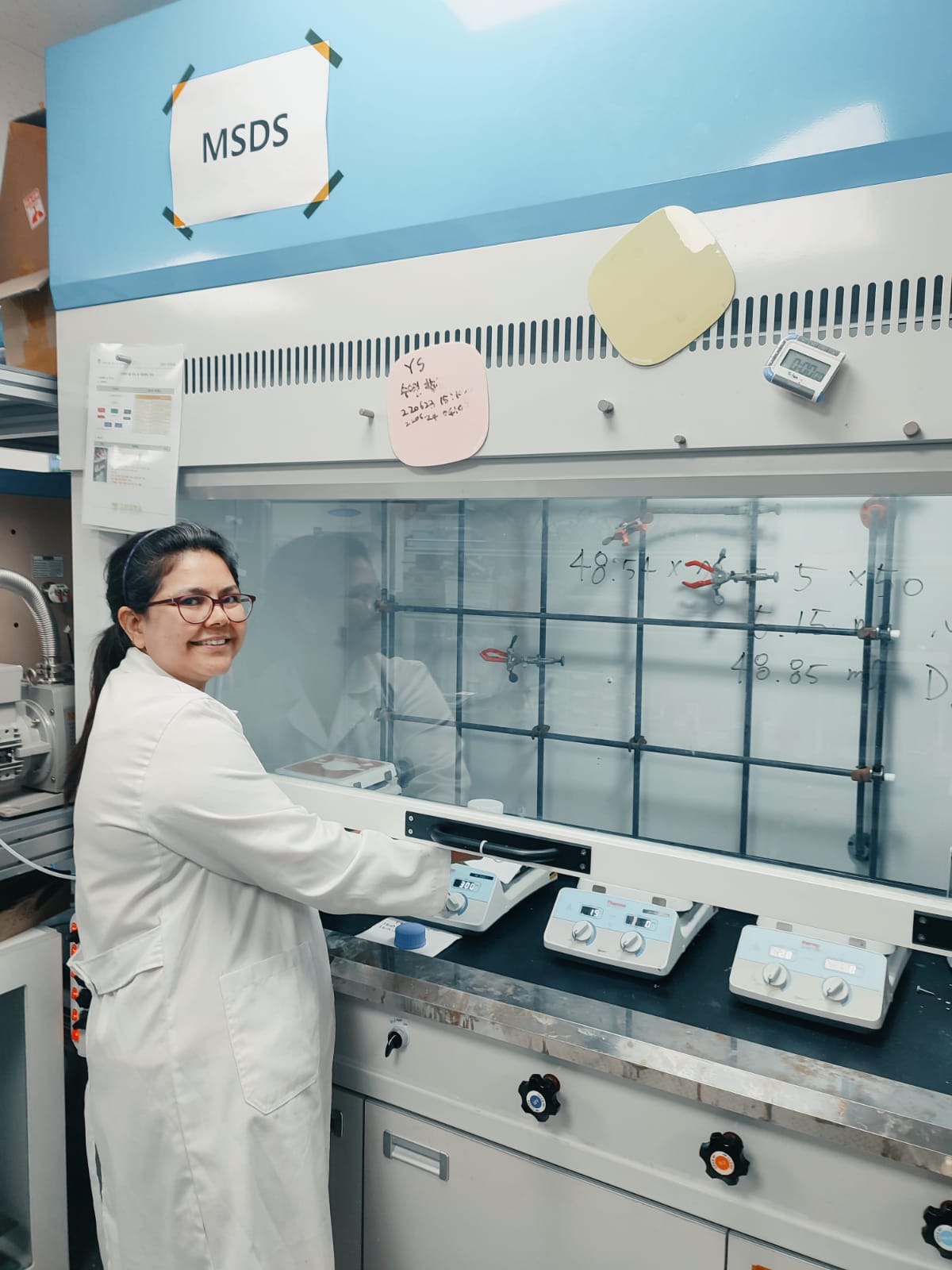
Master's & PhD in South Korea for Indian Students: Advice from Dr. Sudeshana Pandey
From an M.Tech in India to a research career at Korea University, Dr. Sudeshana Pandey shares practical advice on research fit, contacting professors, funding, lab life, and adapting to Korea.
When Indian students ask about a master's or PhD in South Korea, the hardest questions are rarely just about forms and deadlines. They want to know what research life is actually like, how to identify the right lab, whether they need Korean, how funding works, and whether their academic background is competitive enough.
At Korea Connect, Dr. Sudeshana Pandey advises students on academic and research fit based on her own experience as a researcher in Korea. We spoke with her about her path from India to Korea University and the practical lessons she would give students considering graduate research in South Korea.
From India to a Research Career in South Korea
Can you tell us about your academic background and how your research journey brought you to Korea?
I was born and educated in India, where I began my academic journey with a Diploma in Plastic Technology, followed by a Bachelor's degree and an M.Tech in Chemical Engineering, specialising in Environmental Management. Over time, my growing interest in energy and environmental research shaped the direction of my career and led me to look beyond borders for the right opportunities.
That path eventually brought me to Korea. Today, I work as a postdoctoral researcher at Korea University, where I continue to explore the questions that have driven me from the beginning. Looking back, the journey has been shaped by both curiosity and opportunity, and it is still evolving.
Why did Korea make sense for your research career?
For me, it came down to alignment. My research focuses on green hydrogen energy and 2D materials, areas closely connected to the clean-energy transition. Korea offered strong research facilities, a fast-moving innovation environment, and opportunities to collaborate with people working on the same problems I cared about.
Korea University gave me the chance to work on meaningful research while also challenging me to grow in a different academic and cultural environment. Choosing Korea was not only a career decision; it became a chance to grow as a researcher and as a person.
|
What Research Life at a Korean University Is Really Like
What does your research focus on, and what's it like working in a Korean university lab?
In simple terms, my research is about finding cleaner ways to produce and store energy. I work on green hydrogen and on 2D materials, which are ultra-thin advanced materials that can improve the efficiency of energy-related processes. Together, these areas contribute to the wider transition toward more sustainable energy systems.
Working in a Korean university lab has been demanding but deeply rewarding. The pace is fast and the standards are high. What made the biggest difference for me, though, was the people. My lab mates were helpful and welcoming, and my professor was both an excellent academic guide and genuinely supportive. With strong facilities and colleagues who care about the work, it is an environment where you can keep growing.

What surprised you most about working and living in Korea as someone from India?
A lot surprised me. Korea moves quickly, and the academic environment pushed me to raise my own standards. The language was a challenge at first because everyday tasks outside the lab were not always in English, but things became easier as I learned some Korean.
Food was a journey too. I missed the flavours of home at first, but over time I came to enjoy Korean food. What stayed with me most was the support I received from the people around me. My lab mates and professor made the transition easier, and the friendships I built here became a kind of second family. There were lonely moments early on, but they also made me more independent.
How Indian Students Should Approach a Master's or PhD in Korea
If an Indian student is considering a research-based master's or PhD in South Korea, what should they focus on first?
Start with research fit. For many research-based graduate programs, the professor and lab you approach can be very important. Do not send the same generic email to dozens of professors. Read the lab's recent work, understand what the group actually does, and write a short, personalised message explaining where your interests overlap.
Check funding early as well. Some labs provide stipends or research support through projects, but the amount and conditions can vary, so students should confirm the details directly before making a decision. Language requirements also vary by university and program. English may be sufficient in many research settings, while basic Korean can make daily life much easier. Above all, be persistent and organised.
|
Is it realistic for students who aren't from top universities?
Yes. The name of your university is not the only thing that matters. Research fit, motivation, preparation, and the way you communicate your interests can all shape how a professor sees your application. A clear research direction and genuine enthusiasm can make a strong difference. Of course, every university and program has its own formal eligibility requirements, so students should check those carefully rather than assuming they are either automatically in or automatically out.
What's the most rewarding part of advising students who are starting this journey?
The most rewarding part is helping students avoid the confusion I faced when I was finding my own path: approaching professors, understanding funding, and adjusting to a new country. I like seeing a student move from uncertainty to a much clearer idea of what they want and what they need to do next. If my experience can help someone make a more informed decision, that makes the work meaningful to me.
Why Her Guidance Matters
Dr. Pandey is part of Korea Connect as an Academic Advisor, not as a spokesperson for every university or research lab in Korea. Her value is practical: she understands the research path students are considering because she has built her own research career in Korea.
Her academic guidance helps students think more carefully about research fit, lab selection, and graduate-study expectations. Korea Connect's counselling team separately handles application, visa, and fee-related support.
Share this article
Help fellow students discover this guide
Frequently Asked Questions
How should I email a Korean professor for a master’s or PhD?
Do I need Korean for a research degree in South Korea?
Are stipends or research assistantships available in Korea?
Can students from lesser-known Indian colleges compete for research opportunities?
Can I pursue a PhD in Korea after an M.Tech?
Related Reading
Planning to Study in Korea from India?
Our permanent team in South Korea provides end-to-end support for Indian students — from university selection to visa and airport pickup.
Message us on WhatsApp →